
Proven Steps to Hire a Website Builder
Table of Contents
When I first tried to build my own website, I realised very quickly that making it look professional, easy to use, and fully optimised was harder than it seemed. That is when I understood the real value of hiring someone to build a website for you.
If you want your project to work the first time, it is usually smarter to hire a website designer or website builder instead of struggling alone. The challenge is knowing who to hire, what to pay, and how to make sure they actually deliver what you need.
In this guide, I’ll walk you through how to hire someone to build a website, realistic pricing, and the exact steps I use to find trustworthy designers for my own projects.
How to Hire a Website Builder (Quick Answer)
Define your project
– Purpose of the site, key pages, features, budget, and timeline.Choose who to hire
– Decide between a freelance web designer, an agency, or a website builder with expert services.Search on trusted platforms
– Look on Upwork, Fiverr, Toptal, Freelancer, Wix Marketplace, or local referrals in your city.Review skills and portfolio
– Check past work, mobile responsiveness, loading speed, and niche experience.Compare prices and proposals
– Ask for fixed-price quotes or hourly rates, including maintenance or support.Check reviews and references
– Read client feedback and, if possible, speak to a recent client about results.Agree on a clear contract
– Define scope, deadlines, deliverables, payment terms, and who owns the website.
Why Hiring a Website Designer Is Worth the Investment
A professionally built website does much more than “look pretty.” It can:
Make a strong first impression
Visitors decide in seconds whether they trust your brand. Clean layouts, consistent colours, and clear messaging build that trust immediately.Turn visitors into customers
A good designer thinks about calls-to-action, user journeys, and how each page leads people towards enquiries or sales.Save you time and frustration
Instead of spending weeks learning design, code, and SEO, you work with someone who already understands best practices.Improve performance and SEO
Professional sites are usually faster, mobile-friendly, and structured in a way that helps Google understand and rank them.Support your brand long term
A designer can keep your visuals, tone, and layout consistent as your business grows.
From my own projects, the biggest difference I saw after hiring a designer was this: the website stopped being “just a site” and started acting like a 24/7 sales and trust machine for the business.
How Much Does It Cost to Hire a Website Designer?
The cost varies based on who you hire, how complex the site is, and whether you pay hourly or a fixed price. In general:
Freelance web designers
– Often charge $15–$75 per hour, depending on skills and location.UpworkAgencies
– Usually charge more but include strategy, copy, branding and development.Basic small-business site
– Often starts from a few hundred dollars and can go into the low thousands.Custom or ecommerce sites
– Can range from a few thousand dollars up to five figures for advanced features.
In short, website pricing insights come down to how web designers balance their time, scope of projects, and the unique needs of the client—sometimes more, sometimes less, but always shaped by the dynamics of professional web design.
Hourly Rates
When you hire by the hour:
Simple one-page or brochure sites are on the lower end.
Sites with many pages, custom designs, or integrations (booking, payments, etc.) push the rate higher.
Always ask for an estimated number of hours so the final cost does not surprise you.
Flat-Rate Pricing
Many designers and agencies prefer flat-rate packages. This is helpful because:
You know the full price before they start
You can compare quotes more easily
It reduces stress about “how many hours will this take?”
A typical flat-rate package might include:
Strategy and planning
Design of a specific number of pages
Development and testing
Basic on-page SEO
1–2 rounds of revisions
Short training on how to update the site
5 Steps to Hire the Right Website Builder
Step 1: Start Your Search on Google and Freelance Platforms
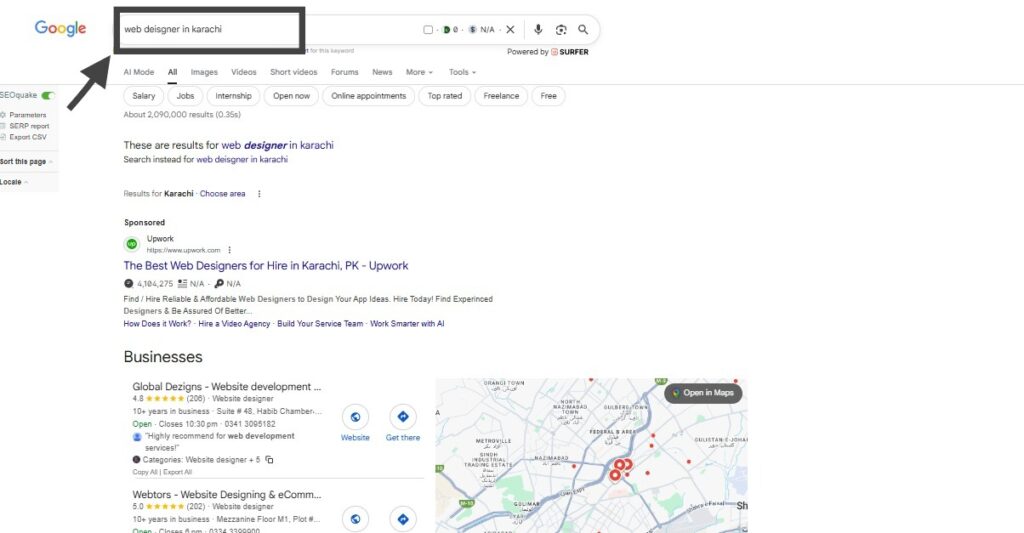
Today, almost every web designer promotes their services online. To find good candidates:
Search on Google for terms like “web designer + your city” if you prefer someone local.
Use freelance platforms such as Upwork, Fiverr, Freelancer, Toptal, or Codeable for WordPress specialists.
Look at website builder marketplaces like the Wix Marketplace or Shopify Experts if you use those platforms.
Ask for referrals from friends, business owners, or networking groups.
As you browse, save a shortlist of designers whose style, experience, and pricing seem aligned with your goals.
Step 2: Check Their Skill Set
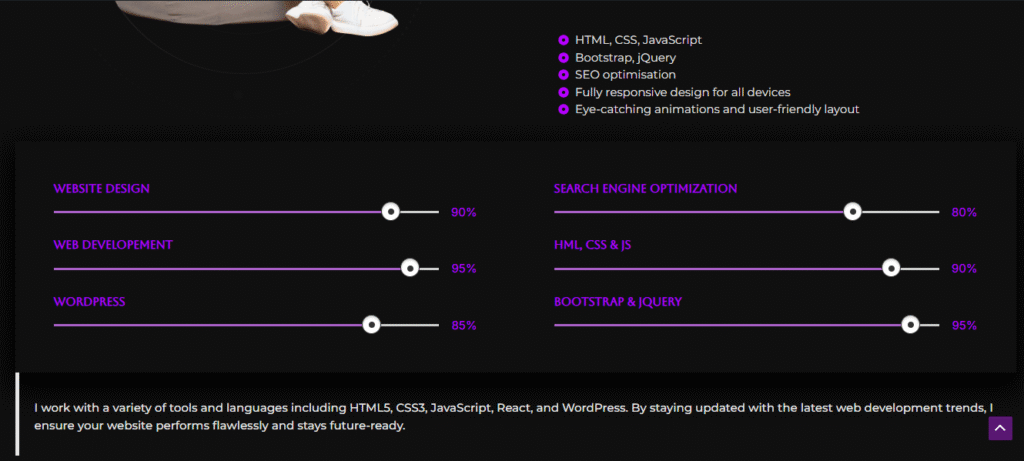
When I first started exploring How to Hire a Website Builder, I quickly realized that the real value comes from finding web designers who are not only proficient in HTML and CSS but also comfortable treating these languages as the actual building blocks of websites.
In my own projects, I’ve seen how knowledge of code enables a designer to publish work online smoothly, and this is what truly distinguishes them from a graphic professional who may only focus on visuals.
Whenever I plan to hire for a new site, I look at whether the designing team has a developer on staff because design shops that bring a designer and developer working together will almost always deliver better results. From personal experience, this balance of creativity and technical expertise plays a huge role in improving user experience, ensuring every detail is aligned from concept to launch.
HTML & CSS
When you plan to hire for a web project, it’s essential to look for designers who are proficient in core languages like HTML and CSS, since these are the building blocks that enable functional websites to publish smoothly online.
This knowledge is what distinguishes skilled professionals from graphic specialists who only focus on visuals, and the best results come when a designing team includes a developer on staff so both can handle design and code working together in shops that balance creativity and structure, making their work reliable even at the minimum requirements.
Mobile Optimization
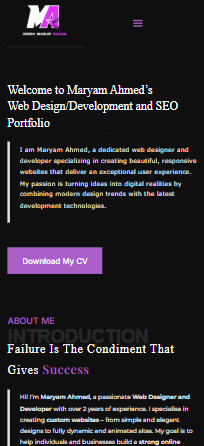
When I started reviewing prospects for a project, I quickly learned that a truly mobile-optimized website is the one that can attract and retain customers because of its seamless design and practical use of visual and interactive elements across different devices like computers, mobile phones, and tablets. From my experience, asking candidates to share their knowledge of mobile-first approaches shows whether they understand how to make a responsive layout that naturally resizes to fit any screen.
I’ve also noticed that those who are skilled in building mobile-friendly and mobile-responsive structures are far more effective in delivering user-focused results.
Content Management Systems
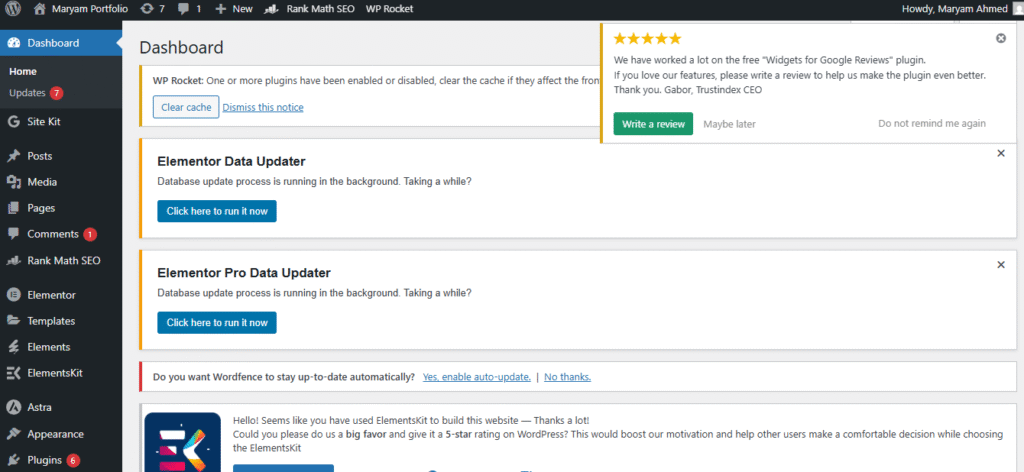
When I learned to manage a website after the design went live, I realized how important a content management system is—often called a CMS. A good CMS platform, whether it’s WordPress, Drupal, or the famous Joomla!, lets you update, add, modify, or remove content from your site without always calling a web designer.
From my experience, when you hire someone who works with the CMS software you actually use, you gain full control over your website after launch, making every change smoother and quicker. This approach not only saves time but also gives you confidence in handling the software and managing your platform independently.
Adobe Creative Suite
From my own work in web designing, I’ve seen how the Adobe Creative Suite and its applications like Photoshop, Illustrator, and InDesign remain the most common tools top designers use to create customized site layouts.
When you talk to a prospect, it’s smart to ask upfront about their proficiency because real experts will show confidence in their response. If they prefer an alternative to Adobe Suite, make sure you understand why before deciding if they’re the right fit for your project—this step helps ensure you’re working with someone who can deliver exactly what you need.
Step 3: Review Their Portfolio
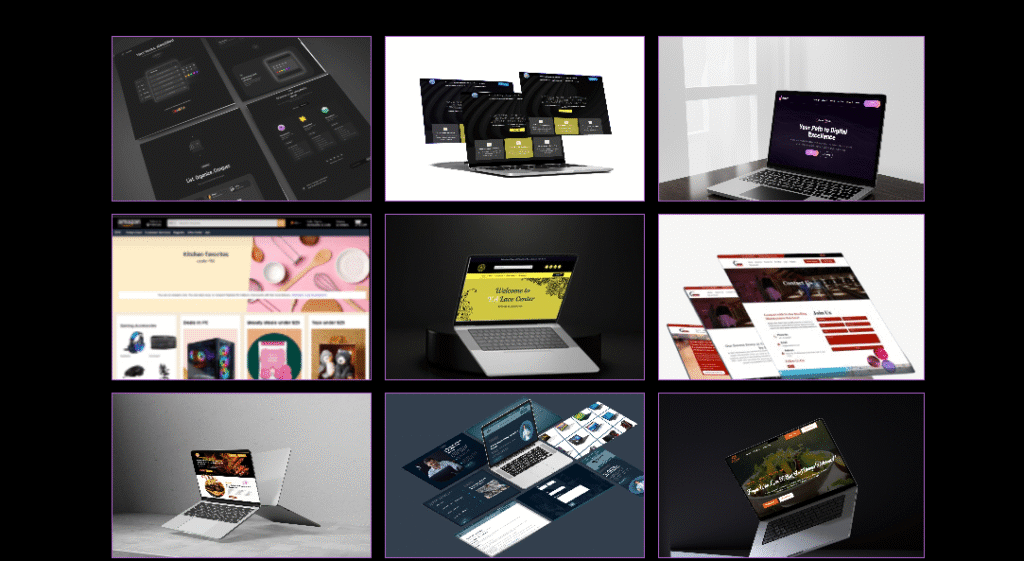
At this stage, I like to evaluate a pool of web designers by checking their portfolio and work samples to distinguish the most talented and versatile prospects. A strong design should be visually appealing, aligns with a brand, and clearly communicate business goals.
I always visit actual sites instead of relying on screenshots, making sure they load quickly, are easy to navigate, and show solid mobile responsiveness. Beyond looks, I check functionality, like ecommerce builds, contact form checkboxes, or custom features they have created in the past.
The overall potential is in turning a pretty site into a business machine with strong CTAs, better Google ranking, and content that fits regional tastes, culture, and even unique architectural designs.
Step 4: Ask for Client References
When I was reviewing a designer’s portfolio, I feel that it’s not enough to just look at sites or admire their designing process—you need to contact the businesses that hired them and ask a list of smart questions. From my experience, speaking with past clients gives you a clear idea of how the designer was at working under deadlines, how they handled a project, what they charged, and even how the website is performing now. Some will happily credit the web designer for an uptick in leads or sales, while others may share a negative experience. Use your discretion to separate whether the problem came from the client or the prospect, because not every fault is on the designer.
Step 5: Interview Shortlisted Designers and Make Your Choice
At this stage, I always create a shortlist of talented professionals who show the right skill sets and an in-depth understanding of design, backed by satisfied customers and beautiful portfolios. Once I reach out, I schedule a call or even a face-to-face meeting—especially if I’m hiring a team, where meeting the primary person of contact is crucial. The aim is to get a feel for each finalist’s approach, ask for an estimate of how long the project will take, and clarify the cost. In my experience, you should choose the designer you feel comfortable entrusting with your website, someone you are confident will give you the result you truly desire.
How much does it cost to hire someone to build my website?
From my work helping others build and develop websites, I’ve seen the price range from $500 to $50,000 or more, depending on the developer’s experience, level of customization, and features. The total cost can also grow with ongoing updates and maintenance, making it more than just a one-time investment.
How much does it cost to get a website builder?
- Website builder can cost $0–$200 a month
- Web hosting may range from $3–$250 a month
- Domains start at $1 and go up to $1,000s a year
- Website design & interface can be a one-time fee from $0–$10,000+
- Total spend depends on each factor, average cost, and what you expect
How to hire someone to build a website?
Best places to hire a freelancer include Upwork, Toptal, Catalant, and GLG Strategic Projects
Useful for web design or development depending on the project
You can use them when looking for specialized expertise or flexible support
Conclusion
Hiring the right website builder is more than just finding someone who can put a site together. It is about choosing a professional who understands your vision, brand, and audience. By defining your goals, reviewing portfolios, checking references, and comparing costs, you can confidently hire someone to build a website that truly works for your business.
In the end, investing in the right web designer is not just an expense. It is a smart move towards building a strong, lasting online presence.

Maryam Ahmed
Hi! I’m Maryam Ahmed, a passionate Web Designer and Developer with over 2 years of experience. I specialise in creating custom websites – from simple and elegant designs to fully dynamic and animated sites
ABOUT ME !!

Maryam Ahmed
With a passion for modern design and functionality, I create custom websites that are visually appealing, dynamic, and SEO-friendly. From personal blogs to business platforms, I bring your vision to life with creative design and expert development.
RECENT POSTS

Top Web Design Services for Modern Businesses

10 Web Design Tips to Make Your Website Stand Out in 2025

Website Development Basics: A Simple Guide for Beginners

Why Your Social Media Marketing Strategy Isn’t Working

Master UI UX Design with Google and the Best Free Courses Online.
Best WordPress Themes for Modern Business Websites